A website redesign in Dubai typically costs between AED 15,000 and AED 150,000, yet roughly 40 percent of these projects miss deadlines, exceed budgets, or launch with broken functionality because teams skip critical planning steps before signing contracts. The most expensive mistakes happen before the first wireframe is drawn, in the decisions about what to migrate, what to measure, and who owns what.
The difference between a smooth redesign and a painful one comes down to a handful of planning conversations that happen in the first two weeks. If your team at web design agency in Dubai has not explicitly answered the questions below, you are flying blind.
Map every URL and decide its fate before you brief the designer
The single biggest source of post-launch problems is undocumented content. Before you discuss layout or color, export a complete sitemap from Google Search Console or your CMS. Every URL, every PDF, every legacy landing page someone built three years ago for a campaign you forgot. Then assign each URL a fate: migrate as-is, rewrite and migrate, consolidate with another page, 301 redirect to a new URL, or delete (with a 410 Gone header if it was indexed).
Dubai e-commerce clients often have hundreds of product URLs, seasonal campaign pages, and Arabic-English duplicates. If you do not map these upfront, your developer will make judgment calls mid-project, and you will discover broken links or missing pages weeks after launch. A spreadsheet with columns for Old URL, New URL, Action, Content Owner, and Status takes two days to build and saves two months of firefighting.
Audit your current analytics setup and define success metrics in writing
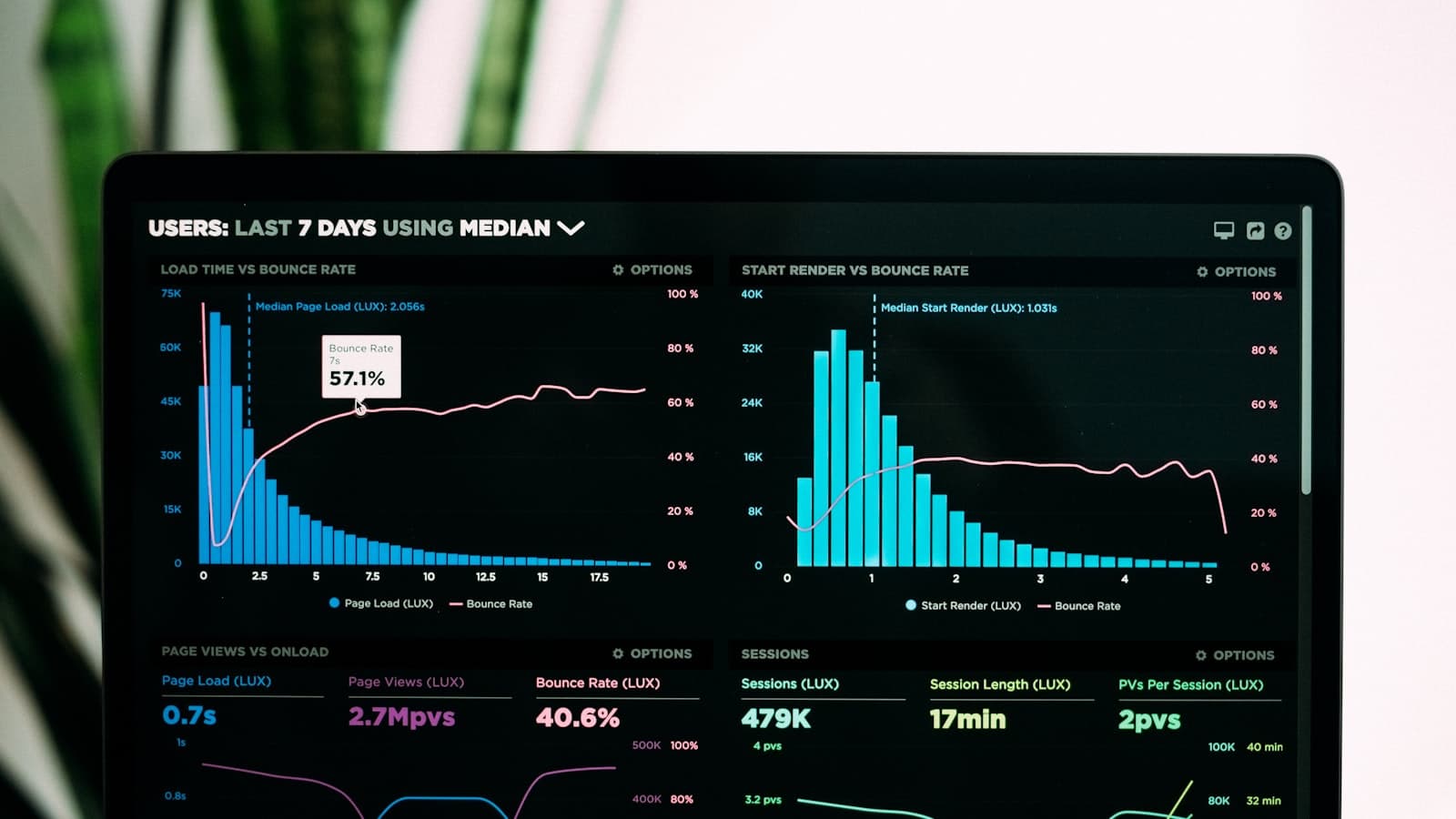
Most UAE businesses know their site gets X visits per month, but cannot tell you bounce rate by traffic source, conversion rate by device, or which pages drive inquiries. A redesign resets your entire analytics baseline, so if you do not capture detailed before-state data, you will never know if the new site actually performs better.
Before you touch anything, export 12 months of Google Analytics data: sessions, bounce rate, conversion rate, top landing pages, top exit pages, mobile vs desktop split, and goal completions by channel. If you run Google Ads or Meta campaigns, pull conversion data by campaign. Write down three to five specific metrics you want the redesign to improve (for example, reduce mobile bounce rate from 68 percent to under 50 percent, increase contact form submissions by 30 percent, cut average page load time from 4.2 seconds to under 2 seconds). Share these with your SEO agency in Dubai so they can build tracking and benchmarks into the project plan.

Inventory every integration, third-party script, and API before you scope the build
Your current site is probably stitched together with a dozen services you set up years ago and half-forgot: a CRM form handler, a payment gateway, a chatbot, a booking calendar, Google Tag Manager with 14 tags, Facebook Pixel, a WordPress plugin that sends leads to Zoho, maybe a legacy subdomain for your blog or a staging environment someone provisioned in 2019. If your developer does not know about these until mid-build, each one becomes a change request or a post-launch bug.
Spend an afternoon listing every username, API key, webhook, and embed code your site depends on. Check your DNS records for subdomains and MX entries. Check your current hosting dashboard for cron jobs or email forwarders. If you have a membership area, e-commerce checkout, or multi-step funnel, document every step and every service it touches. Share this list with your agency during the briefing call. It doubles your scoping accuracy and prevents the we-did-not-know-you-had-that conversation three weeks in.
Assign internal ownership and decision-making authority before kickoff
Redesign projects stall when no one inside the client organization has final say over content, design, or go-live. The agency sends three layout options, the marketing manager likes option A, the CEO prefers option C, the IT manager says neither works with the CMS, and two weeks evaporate while everyone schedules another meeting.
Before you sign anything, name one person (not a committee) who has final approval authority over design direction, one person who owns content migration and copywriting, and one person who handles technical decisions like hosting, DNS, and SSL. Give each of them a decision turnaround SLA (for example, feedback on mockups within 48 hours, content drafts within one week). Put this in writing and share it with the agency. When a question arises, everyone knows who answers it and how fast.
Plan your content migration strategy and freeze new content two weeks before launch
Migrating content is not a copy-paste job. Text that worked in 2019 may not match your 2025 positioning. Images may be low-resolution or missing alt text. Your Arabic pages may be machine-translated. Decide now whether you will migrate everything as-is, rewrite key pages during the project, or use the redesign as an excuse to cut 30 percent of outdated content.
If you plan to rewrite, assign an owner and a deadline for each page. If you are migrating as-is, export everything into a spreadsheet with URL, page title, meta description, and body text so your developer can bulk-import it. Two weeks before launch, freeze all content updates on the old site; any new blog posts, product pages, or press releases written after that date go straight into the new CMS. This prevents the we-published-five-new-pages-on-the-old-site-during-launch-week chaos.
Test the new site on real UAE user devices and networks before you flip the DNS
Your agency will show you the new site on a staging URL, probably tested on a MacBook Pro over fiber. That is not how your customers will see it. Before you go live, test the staging site on an iPhone 12 over Etisalat 4G in a Dubai mall, on a Samsung Galaxy over du in Sharjah, and on a two-year-old iPad. Check load time, tap target sizes, form behavior, and payment flow on real mobile networks.
If you serve Arabic users, test the Arabic site with right-to-left layout on mobile. If you run Google Ads, test every campaign landing page URL to confirm it still loads and the conversion tracking fires. If you have an e-commerce checkout, place a real test order end to end. These 30 minutes of real-world testing catch issues your developer will never see on localhost.
A website redesign in Dubai is not just a design and development project. It is a content migration, an analytics reset, an integration audit, and a project-management exercise. The teams that treat it as such and invest two weeks in planning avoid the late-night emergency calls, the blown budgets, and the we-should-have-known-that regrets. If you are planning a redesign and want a second opinion on your checklist, contact our team for a pre-project planning call.
Frequently asked questions
- How long should I spend planning a website redesign before I start building?
- Plan for at least two weeks of pre-project work: mapping URLs, auditing analytics, inventorying integrations, and defining success metrics. Skipping this phase is the most common reason Dubai redesign projects miss deadlines or exceed budgets.
- Should I migrate all my old content or rewrite it during a website redesign?
- Audit every page and decide its fate individually. Migrate high-performing evergreen content as-is, rewrite key landing pages to match current positioning, consolidate or delete outdated pages, and document every decision in a spreadsheet before the developer starts work.
- What happens to my Google rankings during a website redesign in Dubai?
- If you map every old URL to a new URL with proper 301 redirects, submit an updated sitemap, and preserve title tags and meta descriptions for key pages, rankings typically recover within two to four weeks. Poor redirect planning is the main cause of post-redesign traffic drops.
- How much does a website redesign cost in Dubai for a mid-sized business?
- Expect AED 25,000 to AED 80,000 for a 20 to 50 page corporate or e-commerce site, including design, development, content migration, and basic SEO setup. Complex integrations, custom functionality, or large content libraries push costs higher.
Adam ShaksEditor-in-Chief
Adam Shaks is Editor-in-Chief at The Digital Agency. An AI engineer and business growth consultant with more than 15 years across technology, product and marketing, he sets the editorial direction here and advises UAE businesses on where AI, automation and digital strategy genuinely move revenue rather than just headcount. He writes about the practical side of building, launching and growing digital products in the Gulf.