A website builder in Dubai like Wix, Squarespace or GoDaddy starts to fail UAE businesses when page load times exceed three seconds, when you cannot integrate the CRM or payment gateway you need, or when Google search visibility drops because you lack control over technical SEO. These symptoms surface around 12 to 18 months after launch for most growing businesses.
You chose a drag-and-drop builder because it promised speed and low cost. The first few months felt productive. Then you needed a custom checkout flow for your B2B clients, or you wanted to add Arabic right-to-left layout that actually works, or your marketing manager discovered that the blog structure cannot support the content strategy your SEO agency in Dubai recommended. Now every small change requires a workaround, a third-party plugin that breaks something else, or a resigned shrug from support.
Speed penalties you cannot fix
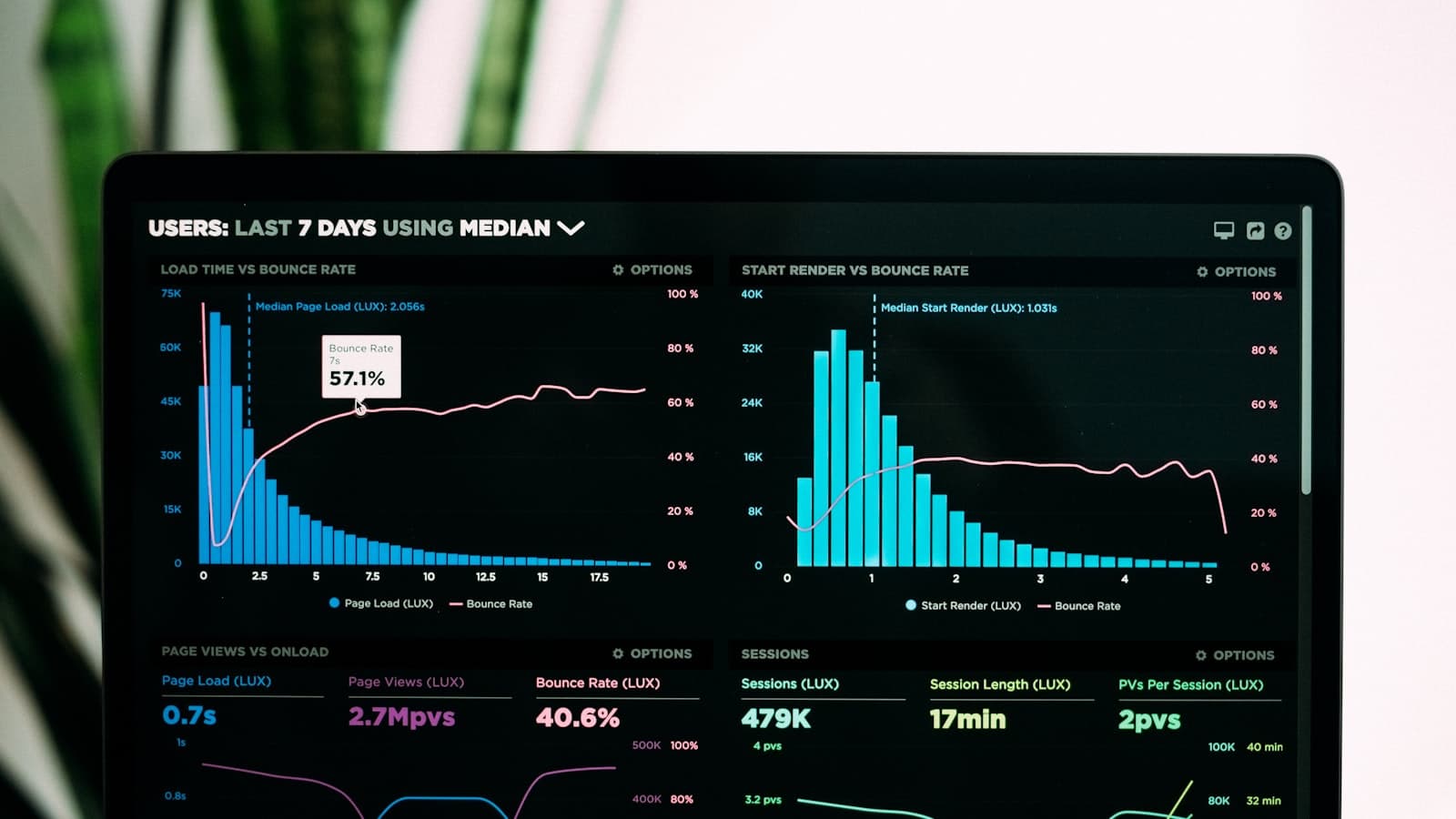
Drag-and-drop platforms load every feature for every visitor, whether your page uses that feature or not. A typical Wix site in the UAE serves 2 to 3 MB of JavaScript before your content appears, driving mobile load times past five seconds on 4G. You have no access to the underlying code, so you cannot strip out unused scripts, defer non-critical resources, or implement proper caching headers. Google's Core Web Vitals penalize slow sites in search rankings, and UAE e-commerce data shows that every additional second of load time costs you 7 to 10 percent of conversions.
Platform builders bundle everything into a single render-blocking package. When you add a contact form widget, it loads the entire form library. When you embed a video, it pulls in a video player framework even if a simple HTML5 embed would suffice. The platform prioritizes ease of editing over performance, because performance requires technical decisions that a visual builder hides from you.
Integration dead ends that block growth
Your sales team wants to sync leads from the website into Zoho CRM automatically. Your finance team needs to reconcile orders in real time with your ERP. Your logistics partner requires webhook callbacks when an order status changes. Most website builders in Dubai offer a marketplace of pre-built integrations, but the specific system your UAE business relies on is not there, and the platform provides no API access or custom development option.

Third-party integration tools like Zapier patch some gaps, but they add another monthly cost, another point of failure, and latency that frustrates users. A web design agency in Dubai building on WordPress, Laravel or a headless CMS writes the exact integration you need in a few hours, with no monthly connector fee and no data passing through a third-party service in another jurisdiction.
SEO structure you cannot reshape
Your competitor ranks above you for the same keywords because their site architecture reflects how people search. They have category pages, product schema markup, breadcrumb navigation and URL structures that signal topical authority. Your builder generates URLs like site.com/page-5x8q2 or site.com/shop/product-name, with no way to control the slug format, no programmatic way to add JSON-LD structured data, and no control over header hierarchy.
Platform builders hardcode an H1 tag around your logo and let you add only one more H1 per page, violating the semantic HTML that Google uses to understand content. You cannot add hreflang tags for proper Arabic and English language targeting. You cannot implement dynamic FAQ schema that pulls from your product database. These limitations are invisible when you start, but they compound over time as competitors with flexible platforms pull ahead in organic search.
The hidden cost of template lock-in
You built 40 pages over 18 months. Your team knows where every button lives. Then you realize the template you chose cannot do what you need, and switching templates on the same platform means rebuilding most of those pages by hand. Exporting your content produces a messy XML file with embedded inline styles, not clean HTML you can migrate elsewhere. The platform owns your design and your workflow, and the switching cost climbs every month you stay.
Custom development on an open platform costs more up front, around AED 10,000 for a typical business site versus AED 500 to AED 1,500 per year for a builder subscription, but you own the code, you control every feature, and migration to a better host or framework later is straightforward. The real cost comparison is not year one, it is year three, when the builder has cost you AED 4,500 in subscriptions plus uncounted lost conversions, lost SEO visibility and lost staff time working around limitations.
When to make the switch
Move off your website builder when any of these apply. You are spending more than two hours per week fighting platform limitations. Your bounce rate on mobile exceeds 60 percent and analytics show slow load times. You need a feature the platform cannot deliver and it directly affects revenue. You are paying for multiple third-party plugins or connectors to achieve basic functionality. Your developer or agency has told you twice that the platform is holding you back.
Migration does not mean starting over. A competent web design and development team audits your existing content, maps your URLs to preserve SEO equity, rebuilds your design with your brand intact, and goes live with minimal downtime. Most UAE business migrations from a builder to a custom WordPress or headless CMS take four to eight weeks and cost AED 8,000 to AED 20,000 depending on complexity, a fraction of the revenue you recover from better performance and flexibility.
If your business has outgrown the training wheels, the symptoms will only get worse. A website builder in Dubai served you well at launch, but growth demands a platform that grows with you. Review your analytics, calculate what slow speed and limited features are costing you, and talk to a team that builds sites you actually own. Get in touch and we will walk you through what a proper migration looks like, with no sales pressure and a clear cost breakdown.
Frequently asked questions
- When should a UAE business move from a website builder to custom development?
- Switch when page load times exceed three seconds, when you cannot integrate essential tools like your CRM or payment gateway, or when SEO limitations are costing you search visibility. Most businesses hit these walls 12 to 18 months after launching on a drag-and-drop platform.
- How much does it cost to migrate from Wix or Squarespace to a custom website in Dubai?
- A typical migration for a UAE business site costs AED 8,000 to AED 20,000, depending on the number of pages and integrations. This includes content migration, URL mapping to preserve SEO, design rebuild and testing, with most projects completed in four to eight weeks.
- Can I keep my SEO rankings when moving off a website builder?
- Yes, if you implement proper 301 redirects from old URLs to new ones and migrate all metadata and content. A professional migration preserves your search equity and often improves rankings because the new platform allows better technical SEO and faster load times.
- What are the biggest limitations of website builders for Dubai businesses?
- Slow page speed you cannot fix, no access to custom integrations with UAE CRM or ERP systems, limited control over SEO structure and schema markup, and poor Arabic language support. These issues compound as your business grows and competitors on flexible platforms pull ahead.
Adam ShaksEditor-in-Chief
Adam Shaks is Editor-in-Chief at The Digital Agency. An AI engineer and business growth consultant with more than 15 years across technology, product and marketing, he sets the editorial direction here and advises UAE businesses on where AI, automation and digital strategy genuinely move revenue rather than just headcount. He writes about the practical side of building, launching and growing digital products in the Gulf.