The most reliable way to vet a web design company in UAE is to work through four stages in order: portfolio verification, commercial alignment, technical capability check, and reference validation. Each stage filters out different risks, and skipping any one of them leaves you exposed to delays, cost overruns, or a site that does not convert.
Most UAE businesses start by price shopping or asking friends for referrals, then discover halfway through a project that the cheapest quote came from a vendor who cannot deliver responsive Arabic layouts or integrate with their CRM. A proper vetting process takes three to five days of part-time work, but it eliminates the 60 to 90 day delays and expensive rework that follow a bad hire. The Digital Agency has watched dozens of businesses restart projects after choosing on price alone, and the pattern is predictable. This guide walks you through the four stages we recommend, in the order that surfaces problems earliest.
Stage 1: Portfolio verification and design relevance
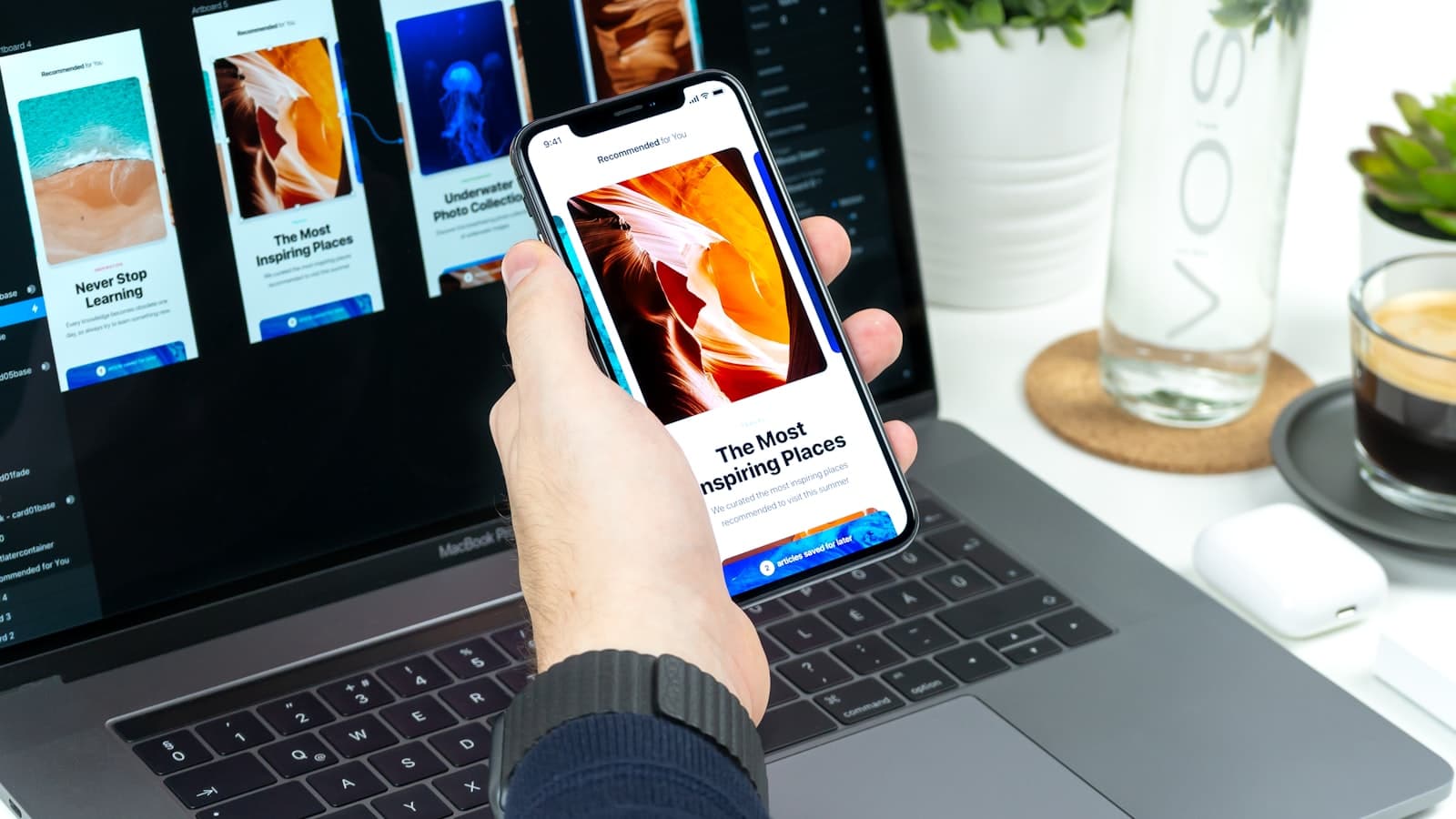
Start by requesting live URLs for three to five recent projects similar in scope and industry to yours. Do not accept screenshots or demo sites; you need to see real client work in production. Open each site on desktop and mobile, check page speed with Google PageSpeed Insights, test the Arabic version if one exists, and verify that forms and CTAs work. A web design agency in Dubai that refuses to share live examples or only shows template demos is signaling either inexperience or a portfolio of failed launches.
Look for design decisions that match your needs. If you sell B2B services and every example in their portfolio is an e-commerce store with flashy animations, the company may lack the content-first, trust-building design patterns your audience expects. Conversely, if you need a high-performance online store and their portfolio shows only brochure sites, they probably do not have the cart, checkout, and inventory integration experience you need. At this stage you are building a shortlist of two to three companies whose work demonstrates both quality and relevance.
Stage 2: Commercial terms, pricing structure and timeline
Once you have verified design capability, request a detailed written proposal that breaks down scope, deliverables, payment milestones, timeline, and what happens if requirements change. The proposal should specify how many design concepts you will see, how many revision rounds are included, whether hosting and domain are part of the package or separate, and who owns the design files and source code after launch. Vague proposals that promise everything for one low price are a red flag.

Pricing in the UAE ranges widely: a simple five-page business site might cost AED 10,000 from an established agency, while a custom e-commerce platform with integrations can reach AED 50,000 to AED 100,000 or more. If a quote is significantly below market, ask how they plan to deliver quality at that price, whether junior designers will handle your project, or if they are using low-cost overseas labor with no local UAE commercial context. Payment structure matters too. A reputable company typically asks for 30 to 50 percent upfront, with the balance split across design approval, development completion, and final launch. Anyone demanding full payment before starting work or offering no refund terms if milestones are missed should be removed from your list.
Timeline clarity separates professionals from optimists. A typical business website takes six to ten weeks from kickoff to launch, assuming you provide content and feedback on schedule. The proposal should show week-by-week milestones and specify how delays on either side are handled. If the company promises a complex site in two weeks, they are either cutting corners or setting you up for disappointment.
Stage 3: Technical capability and platform audit
Before you commit, verify that the company can handle the technical requirements your business actually needs. Ask which CMS or framework they recommend and why, how they approach mobile responsiveness and page speed, whether they write custom code or rely entirely on page builders, and how they handle Arabic RTL layout and bilingual content. A company that builds everything in WordPress with drag-and-drop themes can deliver quickly but may struggle with performance or custom integrations. A dev shop that insists on a fully custom Next.js build might over-engineer a simple brochure site and blow your budget.
Request a sample technical specification or architecture diagram from a past project. This document should outline hosting environment, third-party integrations (CRM, payment gateway, analytics), security measures (SSL, backups, user roles), and post-launch support. If the company cannot produce this or waves away your questions with vague assurances, they lack the rigor needed for anything beyond basic template work. For complex builds like e-commerce web development, ask about experience with inventory sync, multi-currency checkout, and VAT compliance specific to UAE regulations.
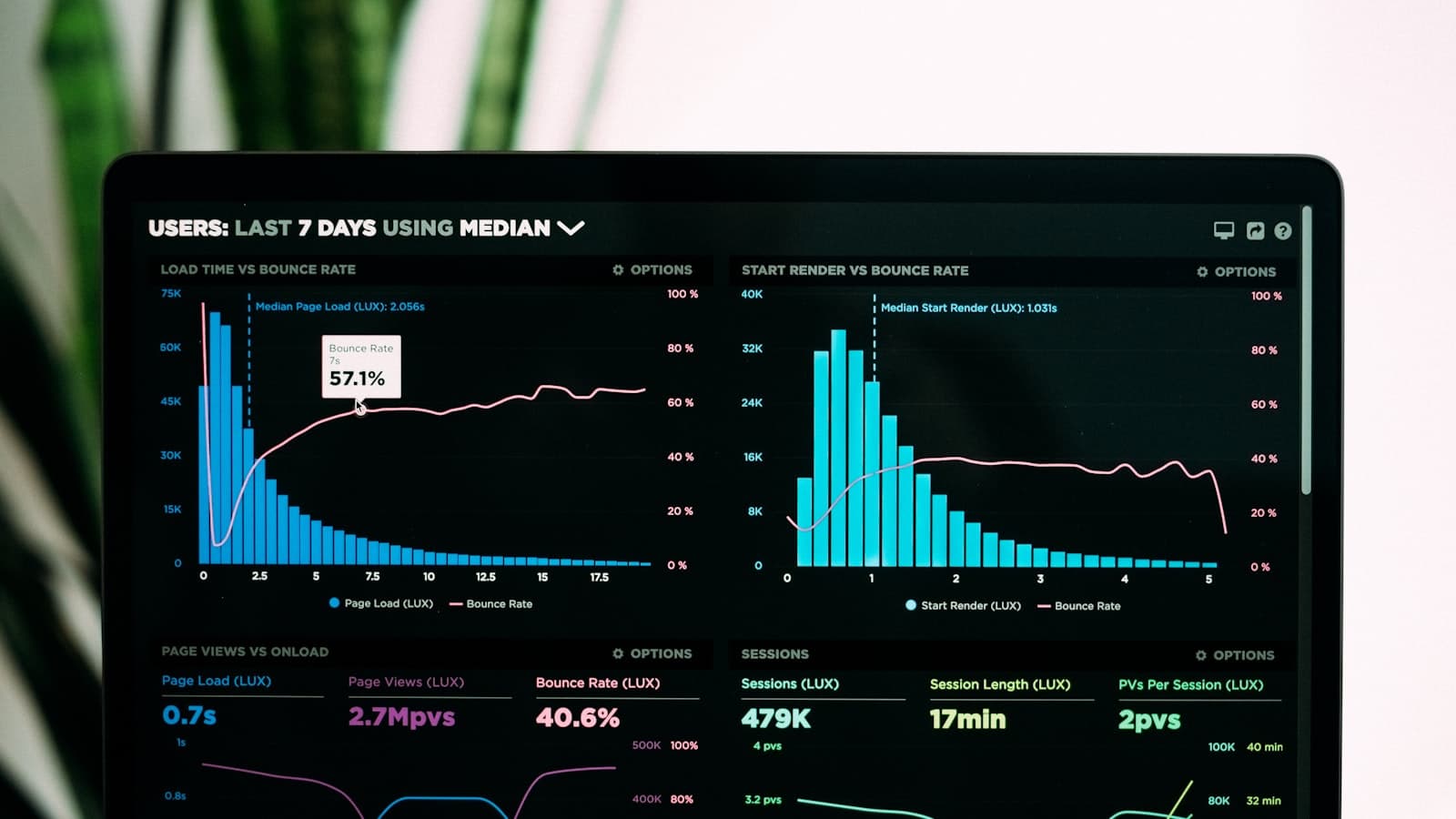
Also confirm their approach to SEO foundations. A properly built site should have clean URLs, schema markup, optimized images, fast Core Web Vitals scores, and an XML sitemap. If the company treats SEO as an optional add-on or suggests you hire a separate SEO agency in Dubai after launch to fix structure problems, you will pay twice. Technical SEO should be baked into the build.
Stage 4: Reference checks and red-flag screening
Finally, speak directly with two or three past clients. Ask whether the project launched on time and on budget, how responsive the company was during development, whether the site met performance and conversion goals, and if they would hire them again. Pay attention to how the company handles this request. A confident agency will happily introduce you to clients; evasive answers or excuses suggest hidden problems.
Check for operational red flags during your conversations. Does the company have a physical office in the UAE, or are they a virtual entity routing work overseas with no local accountability? Do they provide a formal contract, or just an email estimate? Will you have a dedicated project manager, or will you be handed between different team members with no continuity? How do they handle post-launch bugs and change requests?
Look at their own website. If a web design company in UAE has a slow, outdated, or mobile-broken site, they either do not value their own online presence or lack the skill to fix it. Both are disqualifying. Similarly, check their Google Business Profile and LinkedIn for reviews and case studies. A complete absence of social proof after years in business is unusual and worth questioning.
Once you have completed all four stages, you will have a single finalist whose portfolio, commercial terms, technical capability, and client references all align with your needs. At that point the decision becomes straightforward. If you need help defining your requirements before starting the vetting process, contact us and we will walk you through a scoping workshop at no cost, whether or not you ultimately choose The Digital Agency for the build.
Vetting takes time, but it is the only reliable filter between a website that drives revenue and one that drains budget. Treat it as a procurement process, not a creative beauty contest, and you will end up with a partner who delivers what you actually need.
Frequently asked questions
- How long does it take to properly vet a web design company in UAE?
- Plan for three to five days of part-time work spread over one to two weeks. Stage 1 (portfolio review) takes a few hours, Stage 2 (proposal analysis) requires a day or two for back and forth, Stage 3 (technical audit) needs a couple of hours, and Stage 4 (reference calls) typically takes one to two days to coordinate.
- What is a fair payment structure for a web design project in the UAE?
- Most reputable agencies ask for 30 to 50 percent upfront to begin discovery and design, with the balance split across milestones like design approval, development completion, and final launch. Avoid anyone demanding full payment before work starts or offering no refund terms if deadlines are missed.
- Should I choose the web design company with the lowest quote?
- The lowest quote often signals shortcuts like offshore labor with no UAE context, reliance on cheap templates, or hidden costs that appear mid-project. Compare scope and deliverables line by line. A detailed AED 10,000 proposal that includes strategy, custom design, and post-launch support usually delivers better ROI than a vague AED 3,000 quote.
- How can I verify a web design company's portfolio is real?
- Request live URLs, not screenshots, and open each site on desktop and mobile to test speed, functionality, and design quality. Check the site's footer or source code for design credits, and if you are serious about a company, ask for an introduction to one of the clients whose work you reviewed.
Adam ShaksEditor-in-Chief
Adam Shaks is Editor-in-Chief at The Digital Agency. An AI engineer and business growth consultant with more than 15 years across technology, product and marketing, he sets the editorial direction here and advises UAE businesses on where AI, automation and digital strategy genuinely move revenue rather than just headcount. He writes about the practical side of building, launching and growing digital products in the Gulf.