A landing page that loads in 5 seconds converts 35% worse than one that loads in 2 seconds, and in Dubai's mobile-dominated market where 4G coverage varies and impatient users are the norm, slow pages bleed revenue before a visitor reads your first headline. Speed is not a technical nice-to-have for landing page design in Dubai, it is a conversion rate multiplier that most agencies still treat as an afterthought.
We audit dozens of landing pages every quarter for UAE brands running Google Ads and Meta campaigns, and the pattern is consistent: beautifully designed pages with hero videos, carousels, and animation libraries that take 6 to 8 seconds to become interactive on a mid-range Android phone over Etisalat 4G. The client sees a 2% conversion rate and blames the offer or the copy, when the real killer is that half their paid traffic bounced before the page rendered. If you are commissioning web design for a campaign, you need to mandate speed benchmarks upfront, not discover the problem after launch.
Why landing page speed matters more in the UAE than most markets
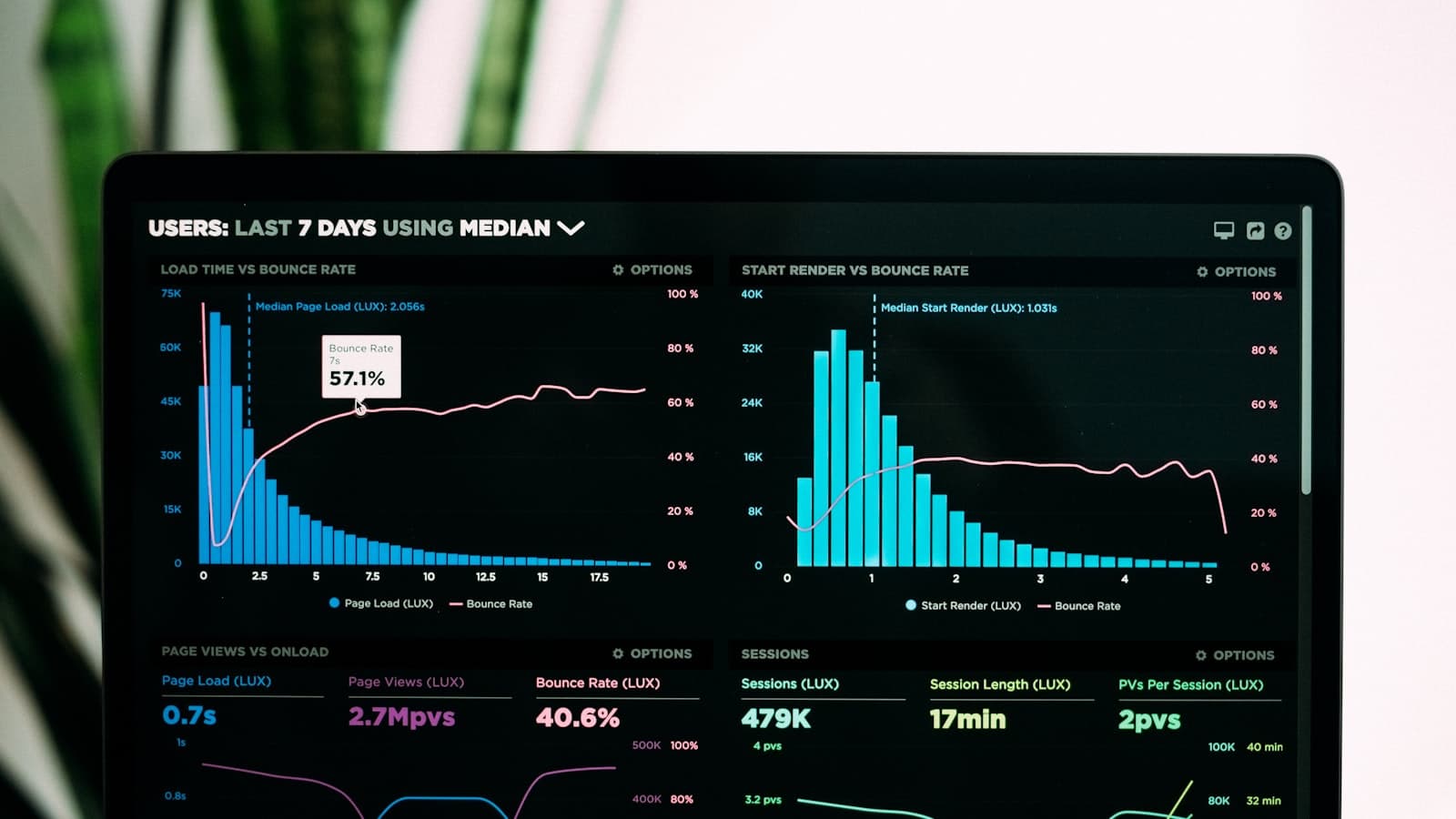
Dubai and the wider UAE skew heavily mobile (over 70% of web traffic), and while 5G rollout is strong in city centers, your audience includes users in Sharjah, Ajman, and Northern Emirates on congested 4G, plus expat audiences browsing on budget devices. A landing page optimized only on a MacBook Pro over Dubai Internet City fiber is not representative. Google's own data shows that as page load time goes from 1 second to 3 seconds, bounce probability increases by 32%, and from 1 to 5 seconds, it jumps 90%. For a paid campaign where your cost per click might be AED 8 to 15, every bounce is pure waste.
The UAE market is also exceptionally competitive for attention. Users here compare three offers before acting, and if your page stutters while a competitor's loads instantly, you lose by default. Speed is part of your value proposition, whether you realize it or not.
The biggest speed traps in Dubai landing page design projects
Most slow landing pages share a handful of root causes. Uncompressed hero images at 3 to 5 MB are still common, we have seen agency-delivered pages with 8000 by 4000 pixel PNGs as backgrounds. Autoplay hero videos hosted directly rather than lazy-loaded or poster-framed until interaction add another 10 to 20 MB. Third-party scripts multiply quickly: Google Tag Manager, Facebook Pixel, HubSpot forms, live chat widgets, heatmap trackers. Each one adds latency, and together they create a waterfall that blocks rendering.

Custom fonts loaded from external CDNs without font-display swap cause flash of invisible text and delay interactivity. Animation libraries like AOS or parallax scrolling frameworks that load 200 KB of JavaScript for a fade-in effect you could achieve with 10 lines of CSS are another frequent culprit. Agencies love these because they demo well in pitch decks, but they crater real-world performance. If your brief does not explicitly cap total page weight (aim for under 1 MB transferred, under 3 MB uncompressed for a campaign landing page) and set a Lighthouse performance score target (90-plus on mobile), your designer has no constraint to work within.
Benchmarks and targets for Dubai campaign landing pages
For a lead-generation or e-commerce landing page tied to paid media in the UAE, target a Largest Contentful Paint under 2.5 seconds and Time to Interactive under 3.5 seconds on a throttled mobile connection (Lighthouse's simulated slow 4G). Total page weight should stay under 1 MB transferred after compression. First Contentful Paint should hit within 1 second, so the user sees something immediately even if the full page is still loading.
These are not theoretical ideals, they are table stakes for competitive conversion rates. A web design agency in Dubai that pushes back on these numbers is either inexperienced with performance optimization or prioritizing portfolio aesthetics over client ROI. Run your own tests using Google PageSpeed Insights and WebPageTest (set location to Dubai, device to a mid-range Android, connection to 4G) before you sign off on delivery.
What actually improves landing page load speed
Start with image optimization: serve next-gen formats like WebP, compress aggressively (aim for under 150 KB per hero image), and use responsive image srcsets so mobile devices do not download desktop-sized files. Lazy-load anything below the fold, especially embedded maps, videos, or testimonial carousels. Inline critical CSS so above-the-fold content renders immediately, and defer non-essential JavaScript. Host fonts locally and subset them to only the glyphs you need (Arabic plus Latin if bilingual, often half the file size of the full font family).
Minimize third-party scripts: audit every tag in Google Tag Manager and remove anything not directly tied to conversion tracking or retargeting. Replace heavy form builders with lightweight custom HTML forms. Use a content delivery network with Middle East edge nodes (Cloudflare, AWS CloudFront with Dubai region) so static assets serve from nearby servers, not Virginia. If you are running Google Ads campaigns, remember that Google's Quality Score factors in landing page experience, which includes load speed, so a faster page can lower your cost per click while raising your conversion rate.
How to hold your agency accountable for landing page speed
Build performance criteria into your statement of work: specify a minimum Lighthouse mobile performance score (90-plus), a maximum page weight (1 MB transferred), and a maximum Time to Interactive (3.5 seconds on slow 4G). Require the agency to deliver a PageSpeed Insights report and a WebPageTest result from a Dubai test location before final sign-off. If they cannot hit the targets, make speed optimization a contractual deliverable with a revision window.
Post-launch, monitor Core Web Vitals in Google Search Console and track bounce rate by traffic source in Google Analytics. A sudden spike in bounce rate from paid channels after a page update usually signals a performance regression (often a new script or uncompressed asset sneaking in). Set up uptime and speed monitoring with a tool like Pingdom or UptimeRobot with a Dubai checkpoint, so you catch slowdowns from hosting issues or traffic spikes before they cost you conversions.
Speed is a competitive advantage in landing page design for Dubai campaigns, and it is entirely within your control as the client to demand it. Treat load time as a conversion rate lever, test it rigorously, and choose partners who measure it by default. If you need a team that builds fast, conversion-focused landing pages for UAE audiences, get in touch and we will show you what proper performance looks like.
Frequently asked questions
- What is a good load time for a landing page in Dubai?
- Target under 2.5 seconds for Largest Contentful Paint and under 3.5 seconds for Time to Interactive on a mobile 4G connection. Anything over 5 seconds will significantly hurt your conversion rate, especially for paid traffic.
- How much does landing page speed affect conversion rates in the UAE?
- Google data shows bounce probability increases 32% when load time goes from 1 to 3 seconds, and 90% from 1 to 5 seconds. In our audits of UAE campaigns, we routinely see conversion rate improvements of 20 to 40% after speed optimization, with no other changes.
- Should I test landing page speed on desktop or mobile in Dubai?
- Always prioritize mobile testing since over 70% of UAE web traffic is mobile. Test on a mid-range Android device over simulated 4G using tools like Google PageSpeed Insights or WebPageTest set to Dubai location, not just on your office WiFi.
- What causes most landing pages in Dubai to load slowly?
- Uncompressed hero images (often 3 MB or more), autoplay videos, excessive third-party scripts (tracking pixels, chatbots, form builders), and heavy JavaScript animation libraries are the most common culprits. Most are avoidable with proper optimization.
Adam ShaksEditor-in-Chief
Adam Shaks is Editor-in-Chief at The Digital Agency. An AI engineer and business growth consultant with more than 15 years across technology, product and marketing, he sets the editorial direction here and advises UAE businesses on where AI, automation and digital strategy genuinely move revenue rather than just headcount. He writes about the practical side of building, launching and growing digital products in the Gulf.