A reputable AI marketing course in Dubai should teach a practical stack of tools you will use daily, not just theoretical concepts around ChatGPT. The best programs balance foundational platforms (ChatGPT, Claude, Midjourney) with workflow automation tools (Zapier, Make), customer data platforms, and copywriting assistants that integrate with your existing martech. Courses that skip hands-on software training leave you with ideas but no execution muscle.
The gap between a generic online course and a digital marketing course in Dubai tailored for the UAE is often the tool selection. A Dubai-based program should prioritize bilingual AI tools that handle Arabic copy, compliance considerations for GCC data, and integrations with regional CRMs and ad platforms. If the syllabus does not list specific software names and version numbers, ask before you enroll.
What AI writing and content tools will I learn in a Dubai marketing course?
Most AI marketing courses in Dubai start with generative text platforms like ChatGPT (GPT-4 or newer), Claude (Anthropic), and Google Gemini because these form the foundation for copywriting, email drafts, blog outlines, and social captions. You should expect hands-on prompt engineering sessions where you learn to craft prompts that produce brand-consistent, locally relevant copy in both English and Arabic. Tools like Jasper, Copy.ai, or Writesonic often appear in intermediate modules, though their value diminishes if you already master prompt design on the foundational models.
Beyond pure text generation, look for training on content repurposing tools such as Descript (video transcription and editing), Otter.ai (meeting summaries), and Canva Magic Write (design-integrated copy). A strong course will show you how to chain these tools together so one AI output becomes the input for the next, turning a single campaign brief into dozens of assets. If the syllabus only mentions ChatGPT and stops there, you are getting a surface-level introduction, not a marketing toolkit.
Which AI automation and workflow platforms are included in the training?
Workflow automation is where AI marketing moves from novelty to ROI, and the best courses teach at least one integration platform in depth. Zapier and Make (formerly Integromat) are the most common, letting you connect AI tools to your CRM, email platform, Google Sheets, and social schedulers without writing code. A practical module will walk you through building a multi-step zap that ingests form submissions, generates personalized follow-up emails with ChatGPT, logs everything in HubSpot or Zoho, and posts a Slack notification.

Some advanced programs introduce you to AI-native marketing platforms like Seventh Sense (email send-time optimization), Persado (emotion-driven copy testing), or Phrasee (subject-line generation). These are purpose-built tools that use proprietary models rather than general LLMs, and they shine in high-volume campaigns where marginal lift compounds. If your business sends 50,000 emails a month, learning Phrasee pays off; if you send 500, mastering ChatGPT and Zapier matters more.
Do AI marketing courses in Dubai teach image and video generation tools?
Yes, though depth varies widely. Entry-level courses usually cover Midjourney or DALL-E for static image generation and Canva AI features for quick social graphics. Intermediate programs add Runway ML or Pika for short video clips, and advanced tracks may include Synthesia or HeyGen for AI avatar videos, which are popular in multilingual UAE campaigns where recording separate English and Arabic spokesperson videos is costly.
The practical constraint is rendering time and output quality. Most AI video tools in 2025 still produce clips best suited for social media, email headers, or website hero sections, not broadcast-quality commercials. A good content course will teach you to evaluate when AI-generated visuals meet your brand standards and when to brief a human designer instead. The worst courses show you how to generate images without teaching you copyright, licensing, or disclosure requirements, which can create compliance headaches in regulated industries.
Are customer data and analytics AI tools part of the curriculum?
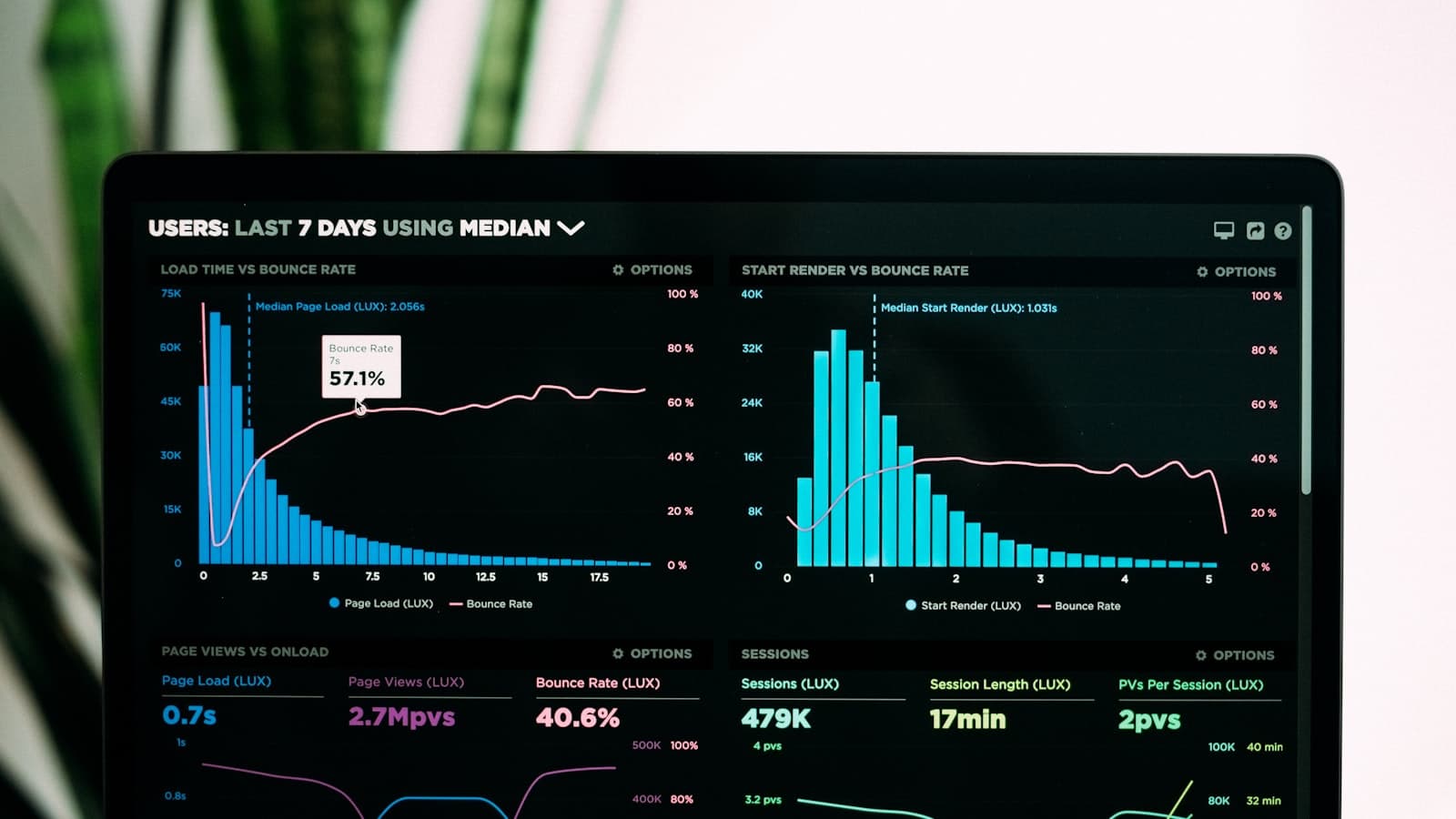
They should be, especially if you work in ecommerce or lead generation. Predictive analytics platforms like Google Analytics 4 with AI-powered insights, HubSpot predictive lead scoring, and Segment (customer data platform with AI routing) are standard in business-focused AI marketing courses. You will learn to interpret machine-learning driven audience segments, forecast campaign performance, and automate budget shifts based on conversion probability.
More specialized tools include Drift or Intercom (AI chatbots and conversational marketing), Dynamic Yield (personalization engine), and Blueshift (AI orchestration for omnichannel journeys). If your role involves digital marketing strategy or martech stack decisions, look for a course that dedicates at least two sessions to data and orchestration platforms. These tools require configuration and ongoing tuning, so hands-on labs matter more than slide decks.
Which AI ad and social media tools are taught in Dubai programs?
Paid media is a natural fit for AI, and most courses cover Meta Advantage+ (automated campaign creation and audience expansion), Google Performance Max, and TikTok Smart Creative tools. You will learn how these black-box systems work, what levers you still control (budget, creative strategy, exclusions), and how to feed them the right signals through conversion tracking and first-party data. Courses that skip the limitations of these tools do you a disservice because automated campaigns can burn budget fast if you do not understand their logic.
Social listening and scheduling tools with AI features like Hootsuite Insights, Sprout Social, and Later (caption suggestions, best-time predictions) also appear in the syllabus. The real value is in learning how to combine social listening AI with Google Ads and SEO data to spot emerging trends before competitors do. A Dubai-specific program should show examples of Arabic social sentiment analysis and how to adapt Western AI models to Gulf dialects and cultural context.
How do I know if the tools taught are current and not outdated?
Check the course outline for version numbers, release dates, or recent feature names. If the syllabus mentions GPT-3 without referencing GPT-4 or newer, or if it lists tools that have shut down or been acquired, the content is stale. Ask the training provider when the curriculum was last updated and how often they refresh it. In a fast-moving field like AI, a course built in early 2023 is already behind.
Another signal is instructor LinkedIn activity and GitHub repositories. Practitioners who actively ship AI marketing projects will reference current tools in their posts and code samples. Before you commit, request a sample lesson or a live demo session. A 10-minute walkthrough will reveal whether the instructor is clicking through outdated screenshots or working in live software with real API keys and data. The best courses treat the syllabus as a living document and swap in new tools mid-cohort when something better launches.
If you are evaluating AI marketing training for your team or yourself, prioritize programs that give you hands-on access to multiple tools, teach integration and workflow design, and update content quarterly. Theory ages slowly, but software moves fast. Reach out via our contact page if you need guidance matching your business needs to the right training program in Dubai.
Frequently asked questions
- Do AI marketing courses in Dubai provide licenses for the tools they teach?
- Most courses provide temporary access or trial licenses during the training period for premium tools like Jasper, Runway, or Synthesia. You should clarify with the provider whether access continues after the course ends or if you need to purchase your own subscriptions. Some enterprise-focused programs include three to six months of tool credits as part of the tuition.
- Can I learn AI marketing tools if I am not technical or a developer?
- Yes. The best AI marketing courses in Dubai are designed for marketers, not engineers, and require no coding experience. You will use visual workflow builders, web interfaces, and prompt engineering rather than writing code. Some advanced modules may introduce light scripting in tools like Google Sheets or Zapier, but instructors walk you through step by step.
- Are the AI tools taught in Dubai courses compatible with Arabic content?
- Most foundational models like GPT-4 and Claude handle Arabic well, but quality varies by dialect and formality. A good Dubai course will dedicate sessions to Arabic prompt engineering, cultural localization, and testing output for Gulf audiences. Some older or niche tools have limited Arabic support, so check the syllabus if bilingual content is a priority for your business.
- How long does it take to become proficient with AI marketing tools after a course?
- Most participants can execute basic AI workflows within two to three weeks of finishing a structured course, assuming daily practice. Full proficiency, where you design multi-tool campaigns and troubleshoot integrations confidently, typically takes two to three months of real-world application. The learning curve shortens significantly if your company already uses modern martech and you have API access.
Adam ShaksEditor-in-Chief
Adam Shaks is Editor-in-Chief at The Digital Agency. An AI engineer and business growth consultant with more than 15 years across technology, product and marketing, he sets the editorial direction here and advises UAE businesses on where AI, automation and digital strategy genuinely move revenue rather than just headcount. He writes about the practical side of building, launching and growing digital products in the Gulf.